
 Book Appointment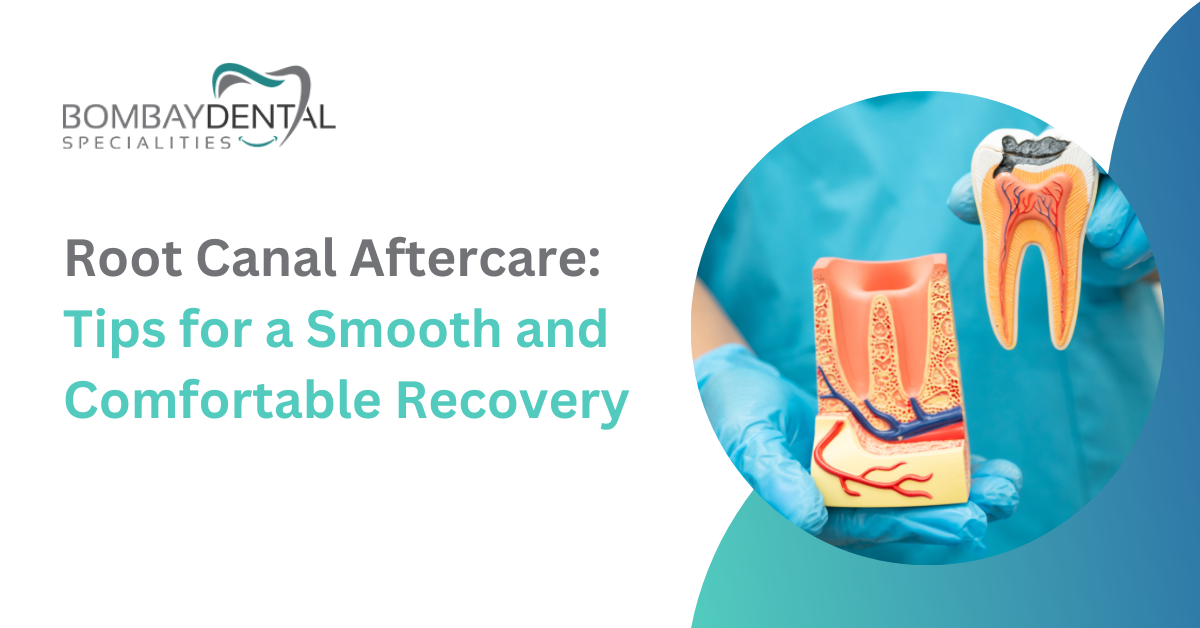
A root canal treatment might sound scary, but it’s actually a great way to save your life. It gets rid of the infection, protects your natural tooth and helps you avoid bigger dental problems in the future. The most important thing is what you do after the treatment is just as important as what the dentist did during it.
You probably just had a root canal or are getting ready for one if you’re reading this. In either case, you want the healing process to go well, and without any stress. Let’s go over how to do that, step by step.
Understanding Root Canal Treatment
This is what really happens. Your dentist takes out the infected pulp, from deep inside your tooth during a root canal treatment. That’s the part that has blood vessels and nerves in it. An infection there can make the area swell, hurt or even form an abscess.
The dentist cleans the area, disinfects it, fills it up and seals it to keep bacteria out. Doesn’t it sound easy? And it is, as long as you take care of it afterward. The goal is not only to ease the pain, but also to keep the tooth healthy and strong for a long time.
Immediate Aftercare Following a Root Canal
Let’s make this easy.
- First, don’t eat anything until the numbness goes away. You don’t want to bite your cheek without knowing it.
- Next, act like your tooth is healing. Because it is. For the first few days, eat soft foods like curd rice, upma and soups. You should definitely skip anything that is crunchy, chewy or sticky.
- Also, make sure to take the medicine your dentist gives you. Don’t miss any doses of painkillers or antibiotics. They are there to help you get better faster and with less pain.
Managing Discomfort and Sensitivity
It’s normal to feel a little pain after a root canal. It’s normal for your tooth to be a little swollen around it after a procedure.
To help the healing process:
- Put a cold pack on the outside of your cheek.
- Don’t eat foods that are too hot or too cold.
- Keep brushing, but be gentle around the area that was treated.
Most of the time, this pain goes away in a few days. If it doesn’t get better or gets worse, call your dentist. Don’t wait and hope it will go away.
Maintaining Oral Hygiene After a Root Canal
This one’s simple: keep your mouth clean.
Brush twice a day with a soft toothbrush. Be sure to use fluoride toothpaste. Floss gently. You can also use an antibacterial mouthwash, but avoid strong rinsing for the first 24 hours.
Good hygiene keeps bacteria away and keeps that tooth safe from future problems.
Importance of the Final Restoration
This step is super important. After your root canal treatment, your tooth becomes a bit more fragile. So, your dentist will usually suggest a crown, or a permanent filling.
The crown adds strength and protection. It helps your tooth take on everyday chewing without the risk of breaking. Don’t delay this step. It’s what makes the whole treatment work long term.
Long-Term Care and Prevention
After you heal, it’s all about keeping it that way.
- Go to the dentist on a regular basis.
- Don’t chew on ice, pen caps or anything else that’s too hard.
- Eat less sugar.
- If you grind your teeth at night, use a night guard.
Small habits can have a big impact.
When to Contact the Dentist
Most people heal without any major issues. But if you notice swelling, intense pain, a fever or a loose crown, make that call right away. Early attention can stop small problems from becoming big ones.
Also Read – Signs That Indicate You May Require A Root Canal Treatment
Conclusion
A root canal treatment doesn’t have to be hard or scary. If you take care of yourself and pay attention to the little things, you’ll be back to normal, in no time.
Check out Bombay Dental Specialities if you want care that is skilled, gentle and focused on your comfort.

 Call Us